
What Is an Ethics Hotline Portal? Whistleblowing and Compliance Reporting
An ethics hotline portal is a digital channel that lets employees and stakeholders raise concerns safely and anonymously. With the right setup it strengthens trust, helps meet the EU Whistleblower Directive, and turns compliance into a competitive advantage.
Corporate ethics, governance and compliance are no longer concerns reserved for global enterprises. Fraud incidents, harassment claims, bribery cases and data breaches directly affect employee trust and brand reputation in companies of every size. Hi e-learning Ethics Hotline Portal is a digital solution that helps organisations manage these processes in a secure, structured and auditable way.
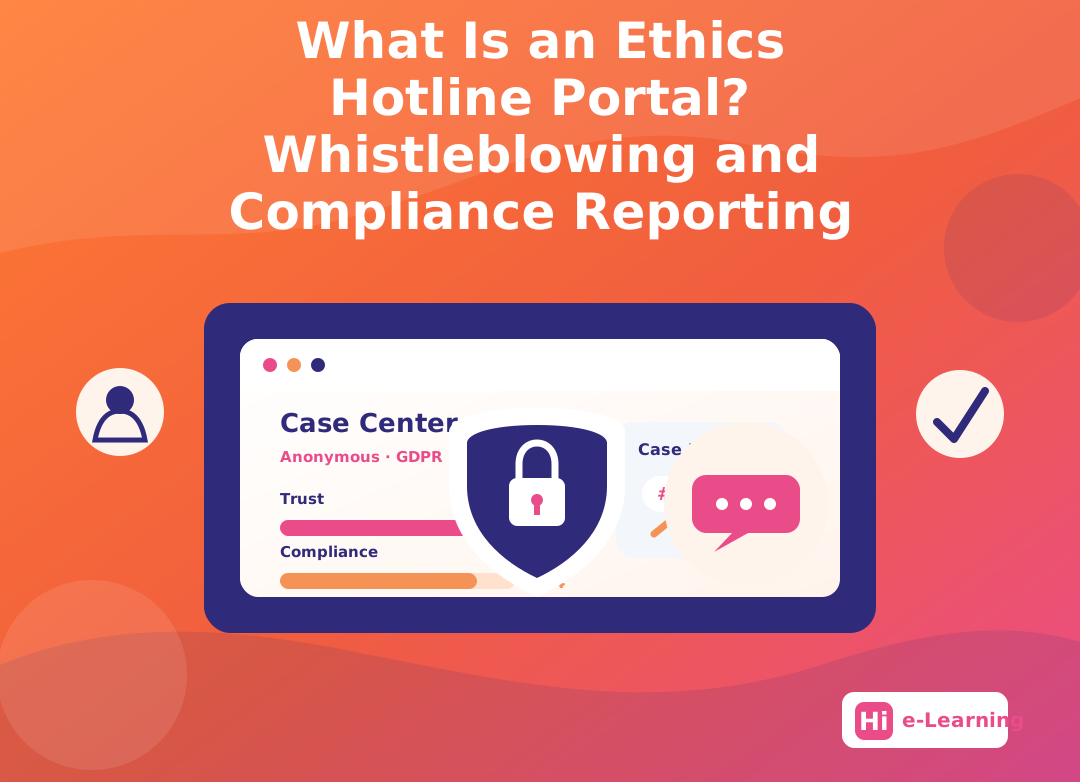
What is an ethics hotline portal?
An ethics hotline portal — also called a whistleblowing platform — is a digital tool that allows employees, suppliers and other stakeholders to report ethical violations, compliance risks, fraud or misconduct in a secure, traceable and (when needed) anonymous manner. Unlike traditional suggestion boxes or email-based intake, a professional ethics hotline portal centralises case tracking, categorised routing, audit trails and management reporting on a single platform.
Why ethics hotline portals matter now
Interest in ethics hotline portals has grown sharply over recent years, driven by both regulatory pressure and changing employee expectations. People want to work for fair, transparent and accountable organisations. Investors evaluate governance quality as a leading indicator of long-term value. Customers increasingly require evidence of compliance maturity from their suppliers.
- Early detection of ethical breaches prevents financial and reputational damage.
- Employee trust and psychological safety improve.
- Compliance processes become measurable and auditable.
- The company is prepared for KVKK, GDPR and international standards.
- Investor and customer relationships gain a layer of trust.
The regulatory landscape
While whistleblowing legislation differs by country, multiple regulations effectively require a structured reporting channel. Turkey’s Personal Data Protection Law (KVKK) requires the protection of the reporter’s personal data and a transparent processing flow. Capital market regulations recommend internal reporting mechanisms for listed companies. AML rules require suspicious-transaction reporting for financial institutions, and competition law mandates managing cartel allegations.
The EU Whistleblower Protection Directive (2019/1937)
The EU directive that entered into force in 2019 requires organisations with 50 or more employees to operate an internal reporting channel. For Turkish or non-EU companies serving European customers, the directive becomes a de facto requirement through contractual obligations. It guarantees the reporter’s confidentiality, protection against retaliation, and a reasonable timeframe for feedback.
What a good ethics hotline portal includes
When choosing an ethics hotline portal, remember that it is not just a form — it is an end-to-end compliance infrastructure. The following capabilities make it transparent, secure and sustainable:
- Anonymous reporting: The reporter can submit a case without revealing identity. IP addresses, emails and metadata are not stored.
- Case tracking ID: Each report receives a unique reference. The reporter can check status using this ID.
- Two-way anonymous messaging: The ethics committee can ask follow-up questions while preserving anonymity.
- Category-based routing: Harassment, bribery, data breach, conflict of interest and other categories are automatically directed to the right committee.
- Audit trail: Every action is timestamped and immutable. The process is auditable retrospectively.
- Multilingual interface: International teams should be able to file reports in at least English, Turkish and Spanish.
- Data protection compliance: Retention periods, data subject rights and disclosure notices must be configurable.
- Management reporting: Case volumes, category distribution and resolution time should be presented to senior leadership.
How to roll out an ethics hotline portal
An ethics hotline portal is not just software; it is a process and a culture exercise. A successful rollout typically follows these steps:
- Define your ethics policy and code of conduct. Document expected behaviours clearly. See our piece on the ethics code and compliance process for a deeper dive.
- Identify reporting categories. Harassment, bribery, conflict of interest, data breach and others should be predefined.
- Appoint an ethics committee or case managers. An independent body reviews reports.
- Configure the portal technically. Anonymity, data protection and reporting infrastructure are set up.
- Announce and train employees. Communicate how to use the portal, guarantees of confidentiality and protection against retaliation through targeted training content.
- Audit and report regularly. Senior management and the board receive periodic compliance dashboards.
The cultural impact of an ethics hotline portal
A well-designed ethics hotline portal does more than manage risk — it strengthens the trust employees place in their organisation. When the reporter’s identity is protected, when feedback arrives within a reasonable time and when a tangible action is taken, the "my voice is heard" perception grows stronger. This has a measurable, long-term effect on employee engagement, open team communication and digital HR processes.
The Hi e-learning approach
Hi e-learning Ethics Hotline Portal offers anonymous reporting, secure two-way messaging, category-based routing and KVKK/GDPR-aware case management. Its multilingual interface allows international teams to use a single platform. Role-based access for ethics committee members, an immutable audit trail and management reports come as standard. The portal is complemented by ethics-code e-learning content and modular awareness training so the cultural change happens alongside the technical rollout.
Conclusion
An ethics hotline portal supports reputation, compliance and culture goals at the same time. When designed correctly, it works as an early-warning system, lifts employee trust and aligns the organisation with international standards. Companies that invest in ethics infrastructure today emerge much stronger from reputational crises tomorrow.
Ready to launch your ethics hotline portal?
Discover anonymous reporting, KVKK and GDPR readiness, multilingual interface and ethics-code training with Hi e-learning Ethics Hotline Portal.
Discover the Ethics Hotline Portal
SCORM-compliant LMS • Mobile-friendly learning • Multilingual content • HR integrations • Detailed reporting
Explore LMS Performance management Employee experience Employee offboarding Ethics hotline Corporate training solutions Custom e-learning content Request a Demo